
01
Controlled access
Custody stages are limited to authorized people and defined handling points.
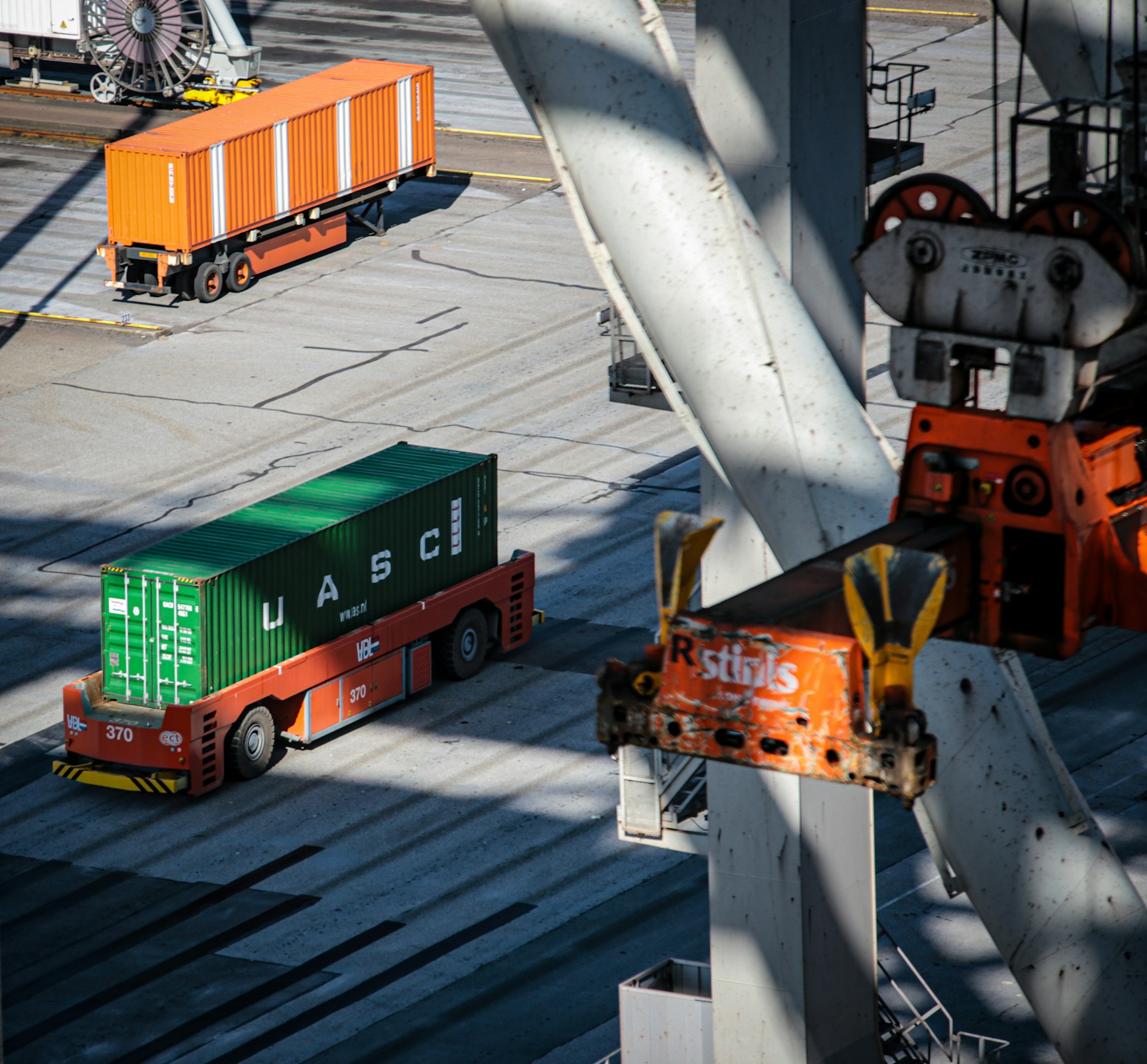
Security by design
Security begins with planning and continues through access, custody, border stages, visibility, exceptions, and final delivery.
Operating controls
Each control supports a practical question: who may access the cargo, what must be confirmed, what the client needs to see, and what happens when conditions change.
Custody stages are limited to authorized people and defined handling points.
The receiving party and movement reference are confirmed before custody changes.
Clients receive meaningful progress while sensitive route detail remains restricted.
Operational milestones and relevant documentation move through the same plan.
Delay, customs holds, access failures, and recipient mismatches have clear decision points.
The level of handling and disclosure is matched to the shipment rather than applied as a generic promise.
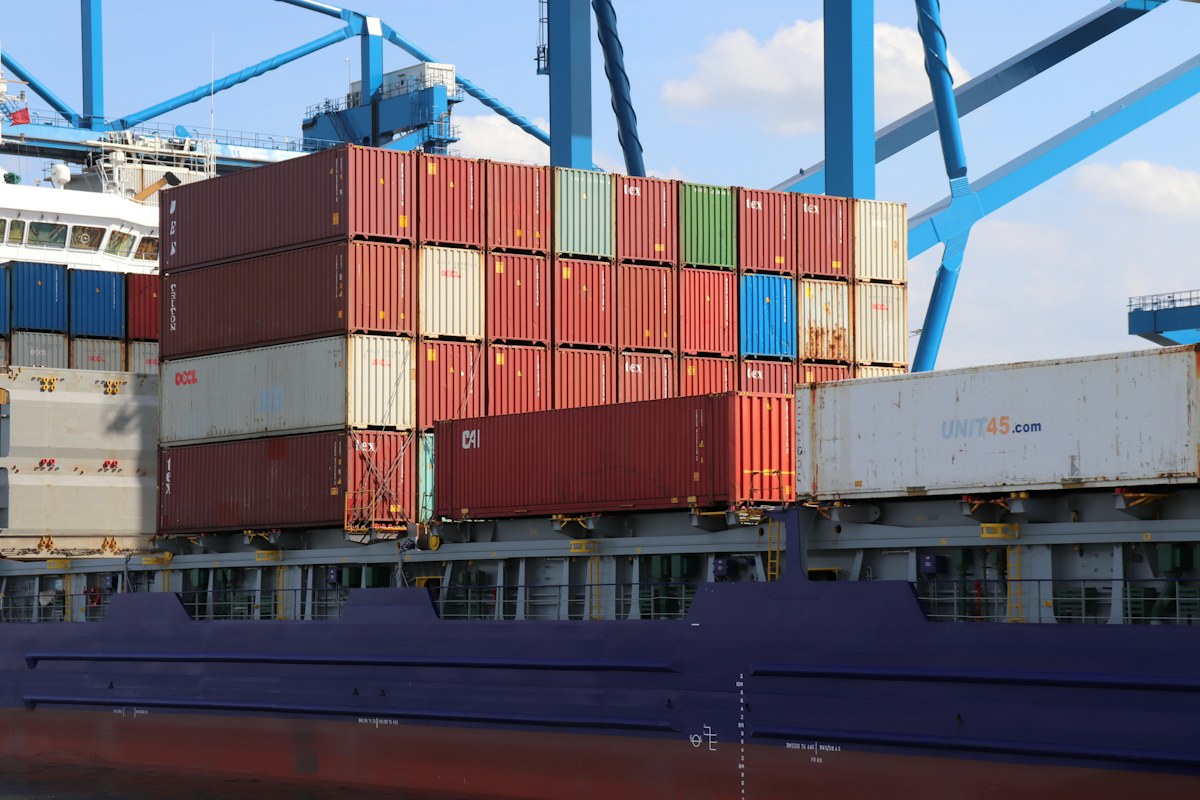
Controlled sequence
Assess route exposure, access, border stages, and escalation points.
Limit custody and information to the people involved in the movement.
Confirm each authorized handoff and publish the appropriate checkpoint.
Verify the recipient and record the final movement status.
When conditions change
International freight can encounter customs holds, missed connections, access restrictions, and delivery mismatches. The objective is to identify the decision point early and prevent uncertainty from becoming uncontrolled exposure.
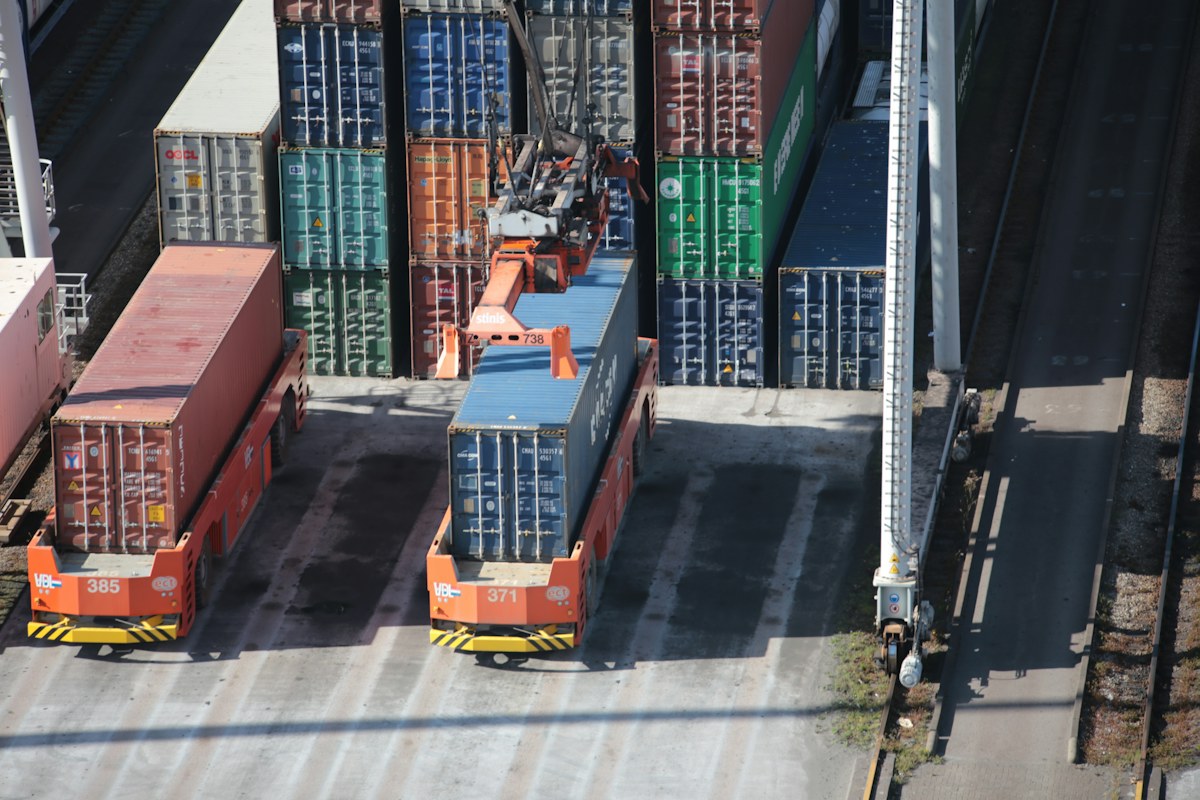
Controlled enquiry